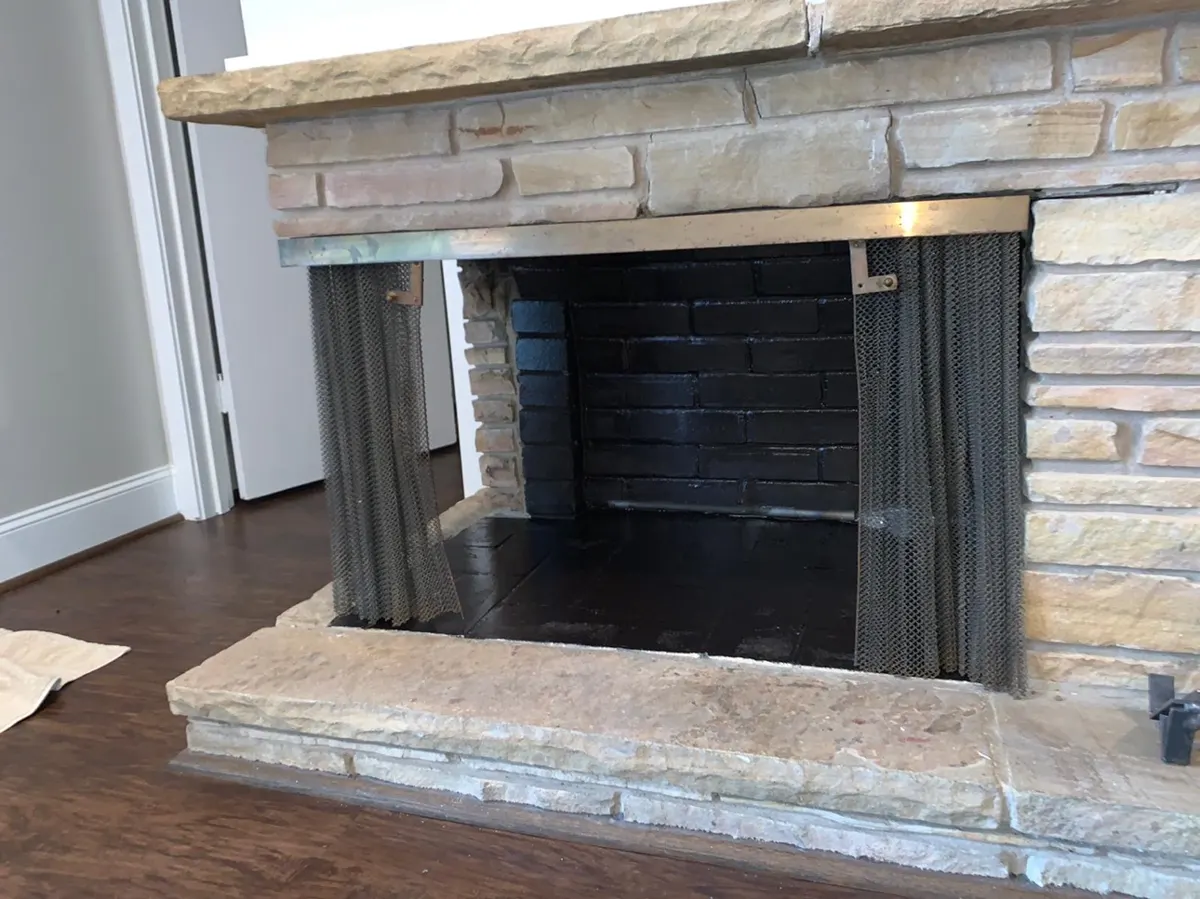
Fireplace smoking into the room? We find the real cause — sizing, blockages, negative pressure or a missing cap — and fix the draft, not the symptom.
A fireplace that puffs smoke into the room every time you light it is not "just how fireplaces are." Smoke follows physics: it goes where the air pressure tells it to. When a chimney smokes, something in the system — flue size, chimney height, a blockage, competing exhaust fans in a tight modern house — is breaking the rules, and nearly all of it can be found and fixed.
Our diagnosis starts with the simple causes and works toward the structural ones: damper fully opening? Flue blocked by a nest or a fallen tile? Fire built too far forward? Then the deeper checks — flue-to-firebox sizing, chimney height relative to the roof peak, and house pressure testing with kitchen and bath fans running, the classic culprit in renovated New Jersey homes.
Tell us about your chimney or gas fireplace — we confirm every request by phone. Prefer to talk? Call (855) 424-6217.
A flue that is too big for the fireplace opening smokes at startup; too small smokes all the time. A chimney that ends below the roof peak gets wind turbulence pushed down it — a real issue on two-story Shore colonials with additions. Kitchen range hoods in open-plan renovations can pull 600 cubic feet of air a minute out of a sealed house, and the fireplace becomes the makeup air path — in reverse. And sometimes it is gloriously simple: a damper opening halfway, or a birds' nest from the spring. We check them in order, cheapest first.
Depending on the cause: a smoke guard to correct the opening ratio, a top-sealing damper, a correctly sized liner, extending the chimney height, a wind-directional cap, or a makeup-air solution for a too-tight house. What we will not do is sell you a gadget before the diagnosis. The visit produces a written cause and the options ranked by cost and certainty.
Wind over the roof can push down a short or poorly positioned flue. Height, cap type and nearby rooflines all play a part — all diagnosable in one visit.
Renovations tighten houses and add powerful exhaust fans. The chimney did not change — the house pressure did. This is one of the most common calls we get.
Yes — heavy creosote and debris narrow the flue and disturb the draft. A sweep and camera check are part of the diagnosis when buildup is suspected.
Beyond the smell, smoke carries particulates and carbon monoxide into your living space. Do not keep burning a smoking fireplace "carefully" — get it diagnosed.
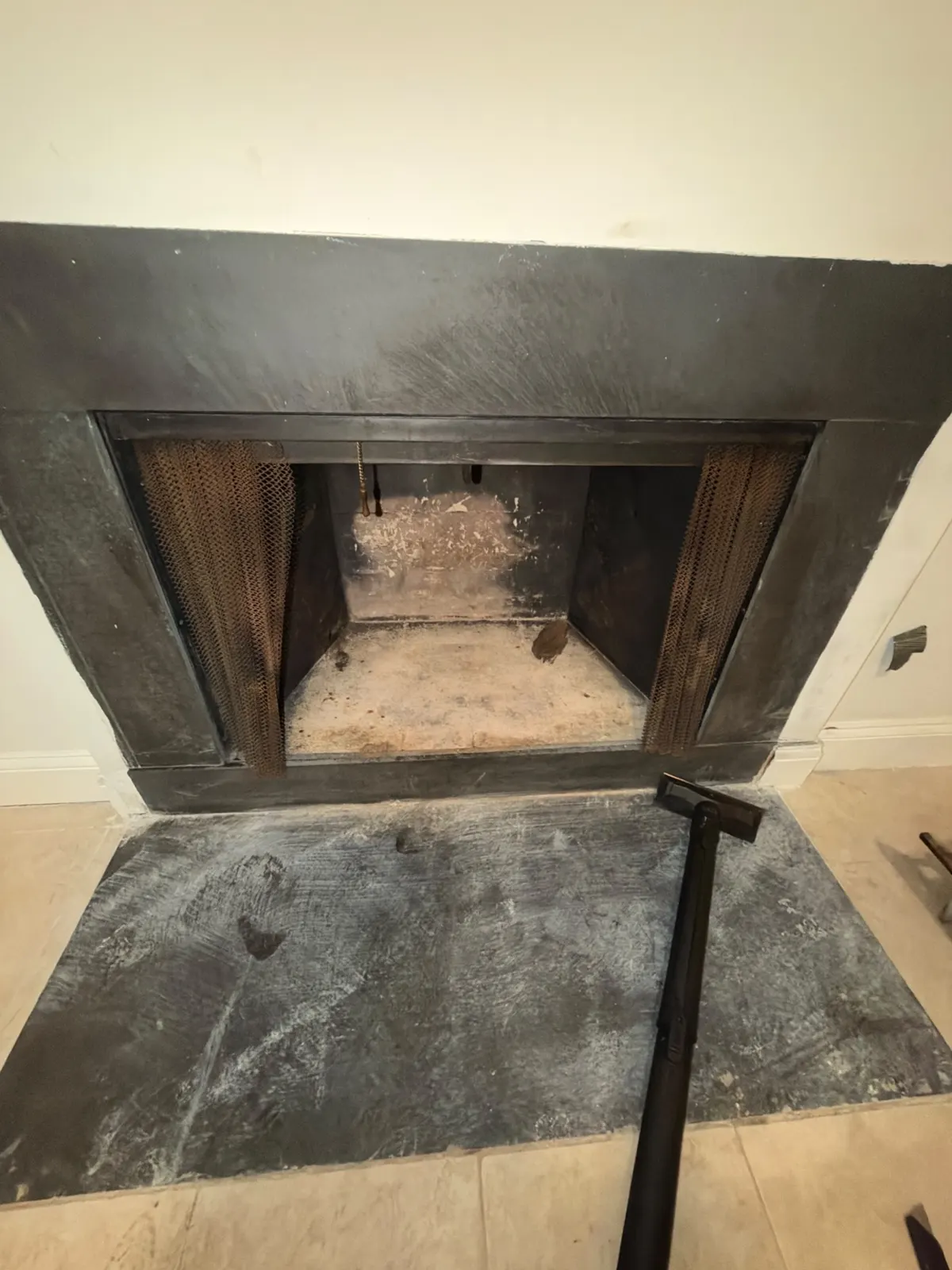
A full sweep of the flue, firebox and smoke chamber — creosote gone, draft restored, and a written condition report before we leave.
Learn more →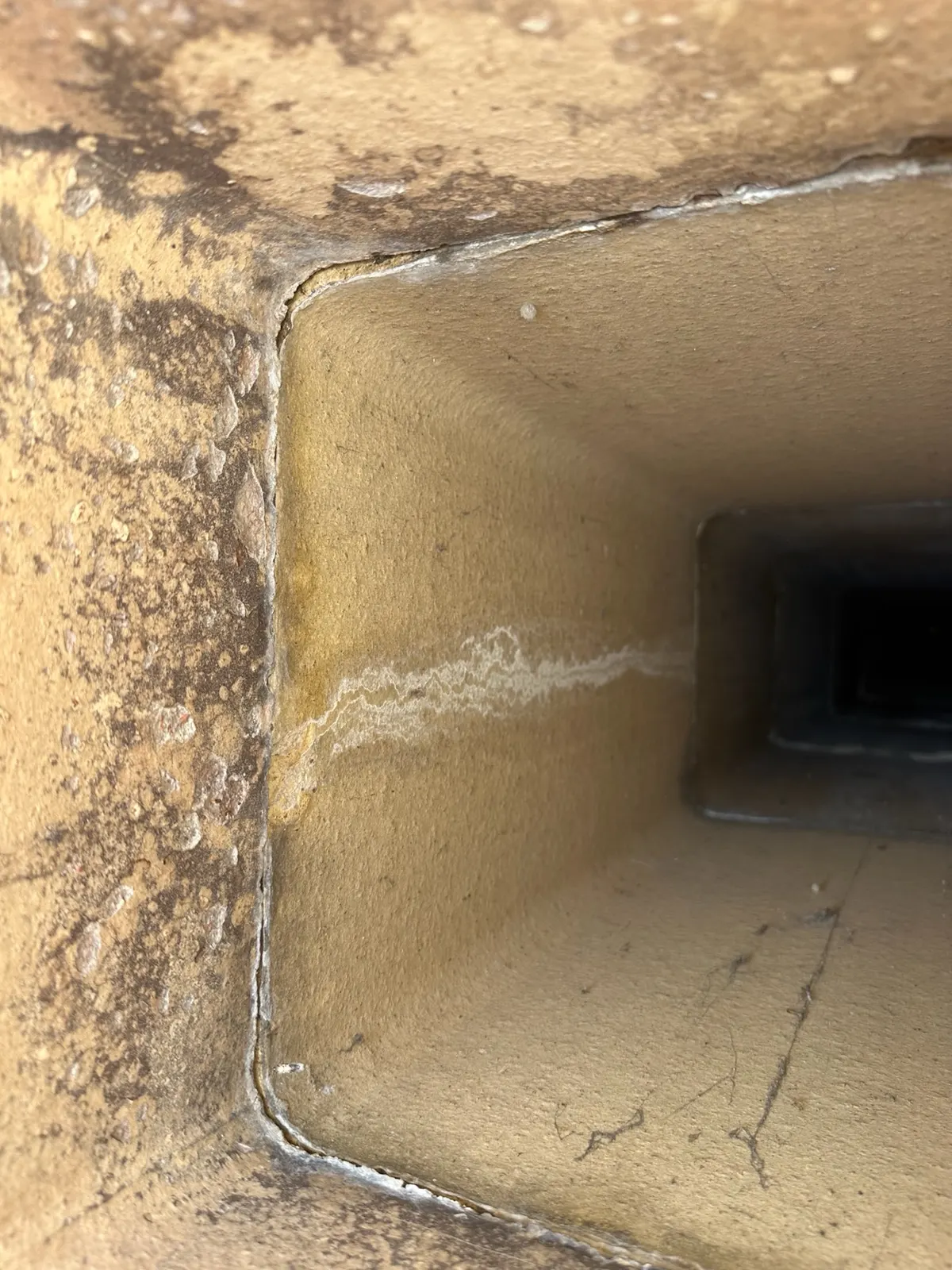
Level 1 and Level 2 chimney inspections with camera scanning, a photo report and straight answers — for annual checks, home sales and after a chimney fire.
Learn more →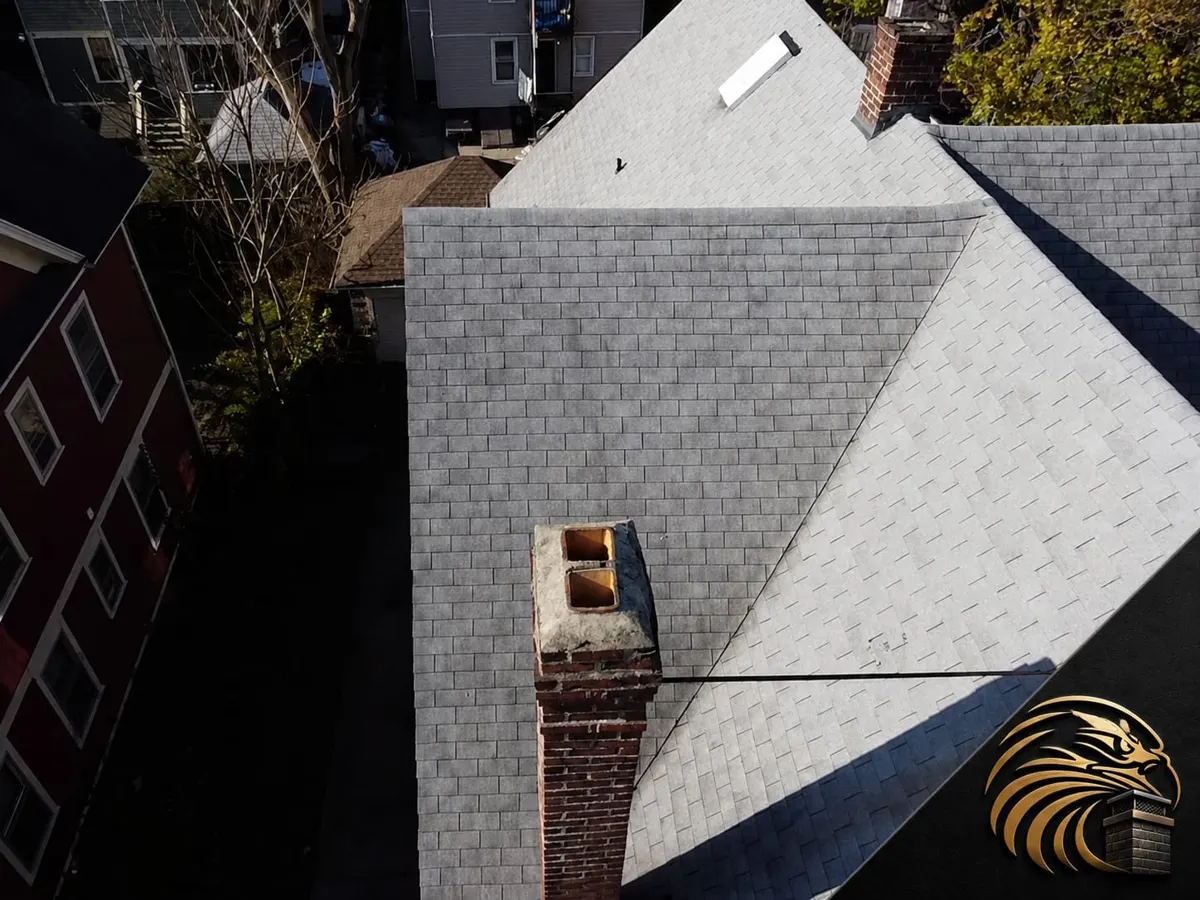
The annual inspection for chimneys in regular service: every accessible part checked, condition documented, safety confirmed for another season.
Learn more →
Camera inspection of the entire flue, plus attics, crawl spaces and concealed areas — the inspection for home sales, chimney fires and appliance changes.
Learn more →